Accessibility in home design is a topic that often doesn’t get the attention it deserves. Many homes are built without considering the needs of people with limited mobility, children, or older family members. This can create daily challenges, from navigating steps to reaching shelves or using the bathroom comfortably. Accessibility issues might not seem urgent until they directly affect you or someone close to you.
This blog explores why accessible living spaces matter and how they can improve your home’s usability, safety, and value. You’ll learn practical ways to make your home more inclusive, as well as the benefits of working with experts in design and construction services to achieve the best results. Keep reading to transform your home!
Why Accessibility Should Be a Priority in Home Design
Accessibility in home design isn’t just about compliance or special needs; it’s about creating spaces that cater to everyone. Whether you’re a young family, hosting aging parents, or planning for your future, accessible design ensures comfort and independence.
A thoughtfully designed home can remove physical barriers, prevent injuries, and boost property value. It doesn’t mean sacrificing style, either. Many interior design trends prioritize universal design principles, blending beauty and usability seamlessly. Below, we’ll discuss practical ways to make homes more accessible and how these adjustments benefit your lifestyle:
1. Install Zero-Threshold Doorways and Showers
Removing thresholds makes it easier to move between rooms, especially for people using wheelchairs, walkers, or strollers. Zero-threshold showers also minimize tripping hazards, making bathrooms safer for kids and older adults. These changes add convenience and modern design appeal to your home.
2. Prioritize Wide Hallways and Doorways
Standard hallways and doors can feel cramped, especially if someone uses mobility aids. Opt for wider dimensions to create smoother pathways throughout your house. Wider spaces also make homes feel much more open and breathable.
3. Add Non-Slip Flooring
Slips and falls are common but easily preventable with the right flooring. Materials like textured tile, cork, or low-pile carpet provide traction without sacrificing aesthetics. Choose durable and stylish flooring, keeping accessibility and safety in mind.
4. Include Accessible Countertops and Cabinets
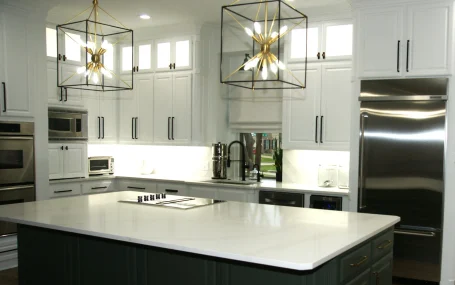
Standard-height countertops can be tough for children or wheelchair users to access. Adjustable or lowered counters offer better usability for everyone. Similarly, pull-out shelves and lazy Susans in cabinets make items easier to reach without bending or stretching.
5. Improve Lighting
Poor lighting increases the risk of falls and makes everyday tasks harder. Motion-activated lights in hallways, brighter kitchen lighting, and layered fixtures throughout the home can enhance visibility and comfort.
6. Plan for Ground-Level Living
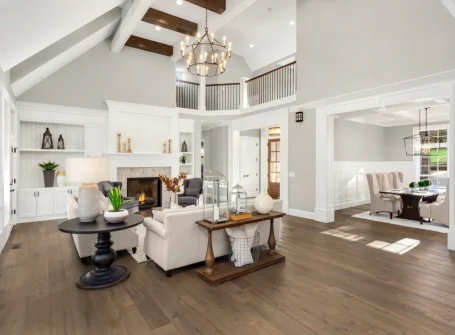
Having at least one bedroom and bathroom on the main floor can make a huge difference for visitors or relatives who can’t use stairs. Ground-level living spaces also add convenience for your family over time, especially for aging in place.
7. Upgrade Door Handles and Faucets
Standard round knobs can be tricky to grip. Lever-style handles and touchless faucets are smarter options for everyone, whether you’re juggling groceries or dealing with limited hand strength. These features blend well with current interior design trends while adding function.
8. Utilize Smart Home Technology
Voice-activated features like lights, thermostats, and locks make homes more accessible and user-friendly. Smart technology is a perfect way to customize your home to meet specific needs while staying aligned with modern advances in home design.
9. Create Accessible Outdoor Spaces
Your yard or garden should be usable, too. Ramps, wide paths, and even raised garden beds can make outdoor areas more enjoyable for everyone. These adjustments seamlessly combine with thoughtful landscaping.
10. Design Flexible Spaces for Future Needs
When investing in custom home design, consider the changes your family may experience. Create spaces with adaptability in mind, such as rooms that can serve as offices today but easily transition to bedrooms later. This planning ensures that your home stays practical through every stage of life.
Why You Should Work with Professionals
While DIY projects can be fun, accessibility-focused home design should be left to the experts. Design and construction services professionals understand how to balance style and functionality while meeting building codes and safety standards. They help you avoid costly mistakes by providing solutions tailored to your needs.
Experienced designers bring creativity to the table, suggesting features you may not even know exist. For example, they can recommend the best materials, layouts, and technologies that align with your unique space. Additionally, they ensure the design flows cohesively so your home maintains its practicality and aesthetic value.
Collaboration with experts also means saving time and stress. You’ll feel confident knowing professionals with the right skills are handling your project to execute your vision. Working with the right team guarantees a beautiful home that improves your family’s quality of life.
Create an Accessible Dream Home with G&S Remodeling
Accessibility isn’t just about making adjustments; it’s about building a home that works beautifully and inclusively. At G&S Remodeling, we specialize in custom home design and work closely with clients to create functional and stunning spaces. From modifying existing homes to designing new builds, our team has the expertise to make your dream home a reality.
Our commitment to client satisfaction and forward-thinking solutions sets us apart. Whether you’re interested in the latest interior design trends or need practical adjustments, we’ll guide you at every step. With G&S Remodeling, you get a thoughtful design, expert execution, and a home tailored to your family’s needs. Let us help you!